Julian Bevan

Browse by Category


DEFINING A GLOBAL MEDIA BRAND

I spent most of 2017 working with Gretel on the brand, office interiors and gallery installation of 21st Century Fox, one of the largest media empires on earth.  I worked intensely on the brand for the first six months, then transitioned to focusing my full attention on curating and designing the gallery installation.


It began like most branding jobs, with a great deal of research and discovery. We worked directly with James Murdoch, who was intensely engaged in every creative touchpoint of the company – from logos and typefaces to couches and color schemes.
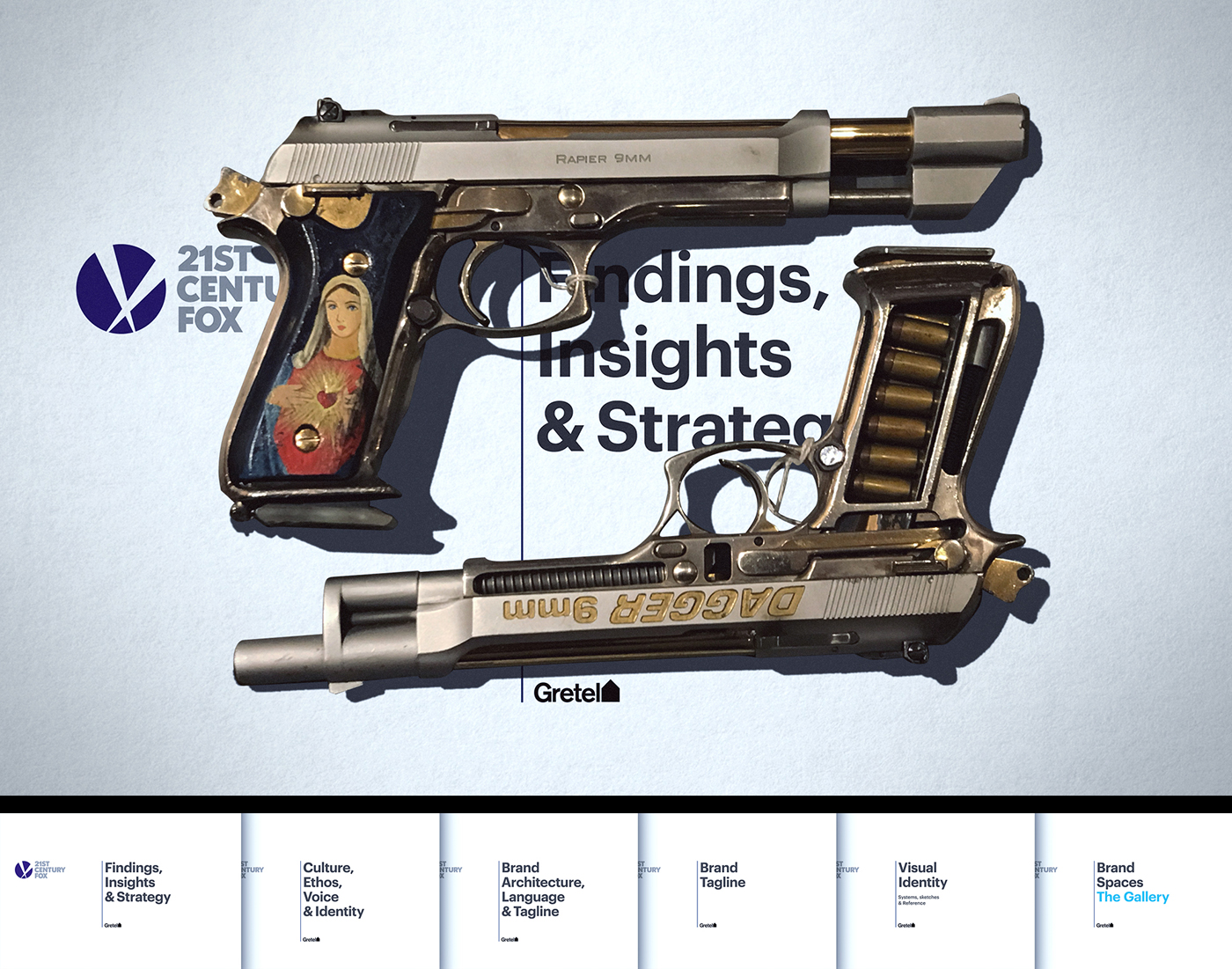


Over the course of a few months, the Gretel team and I produced a series of very in-depth branding decks, focusing in on what 21CF was all about, and more importantly, where they were headed. These are Leo DiCaprio's pistols from Baz Luhrmann's "Romeo & Juliet".


Six months in, we had gotten sign-off on essential brand DNA: A platform and tagline to hang everything on: “Together, we’re 21st Century Fox”.


BRAND MANIFESTO


Truly great stories are driven by unique characters of all stripes. Characters with remarkable depth, courage, humor, curiosity and tenacity. The oddballs, the goofs, the wild cards, the lovers, the fighters, the heroes and the anti-heroes, the man in the corner bar and the woman in the corner office. These are our people. And theirs are the stories we tell.


Our business is built on the same foundation: an eclectic mix of individuals with a unique depth of character, drive and spark.


We come from different places, belong to different tribes, and we’re all on our own path. Following our gut, not following an algorithm. Looking for truth and meaning, not just chasing ratings. Seeing how things could be, not just settling for the way they are.


Our strength as a company is our ability to bring all of these self-determined people together. And to empower each of them to do the best work of their lives.


We encourage individuality. We embrace difference. We follow our hearts, we stick our necks out, and we stand behind each other, win or lose.


It’s this rich patchwork, the mix of different voices and the collision of different points of view that keeps us vital, fertile, thriving. It sparks new ideas and ambitions that pull us forward. And it’s that very same mix that makes our company, our brands, and our stories the best in the world.

BRAND ANTHEM


We’re dreamers and doers,

entertainers and innovators,

pioneers and explorers.


We go to bat.

For the oddballs and the outliers,

the wild cards and the geniuses,

the misfits and the visionaries.


We’re global sensations,

and local favorites.

Breakout hits and slow-burners.

Big bets and long shots.


We’re risk takers and voyagers,

going the distance against the impossibles, the not-gonna-happens,

and the oh-I-wouldn’t-if-I-were-yous.


We follow our gut.

and stick our neck out.

We don’t believe in good enough.

We never have.

And we back each other, win or lose.


We come from different places,

belong to different tribes.

While we’re each cutting our own path,

we know we’re on this road together.


Different makes us stronger.

Different voices, and different points of view.

Shaking it up, sparking new ideas

and driving us forward.


Together,

We’re 21st Century Fox.


We articulated the brand personality and voice through a manifesto and anthem script.


We defined the brand attributes and cultural threads that connected the different arms of the company. And finally, Ryan and team developed a smart, flexible visual identity system to build upon.
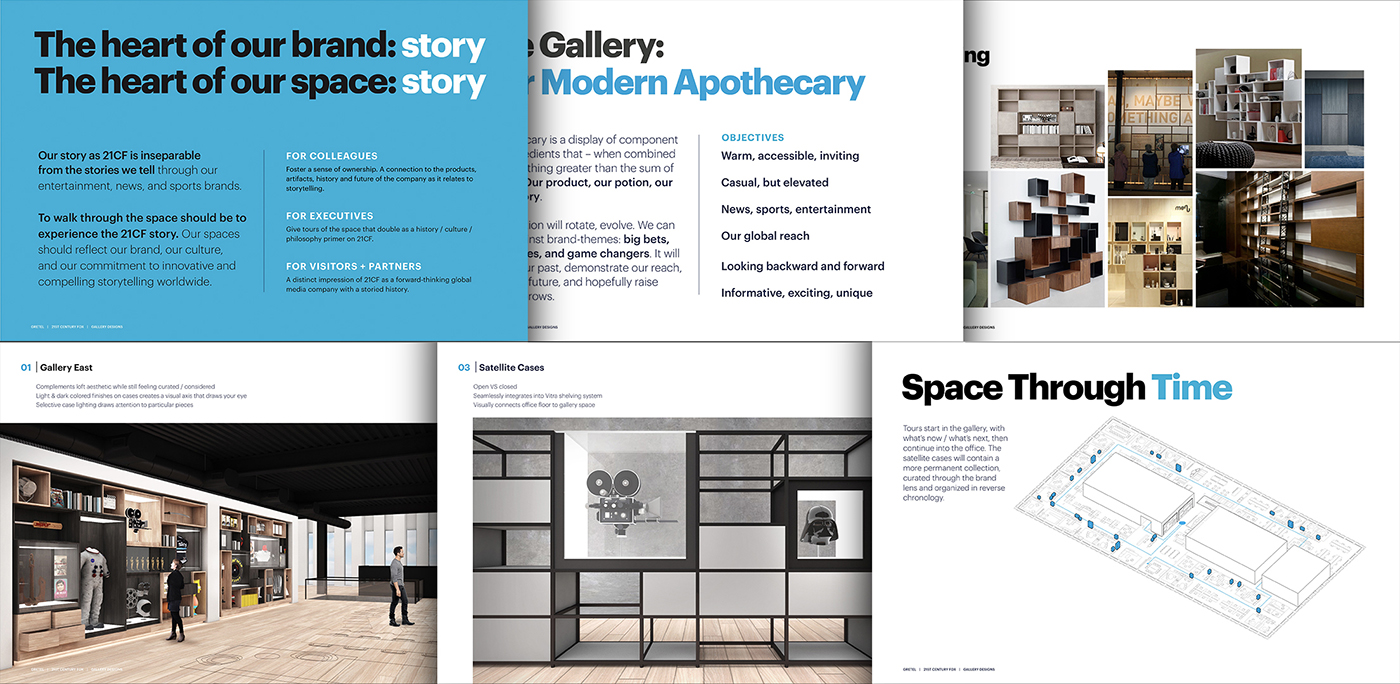


AN APOTHECARY OF STORIES

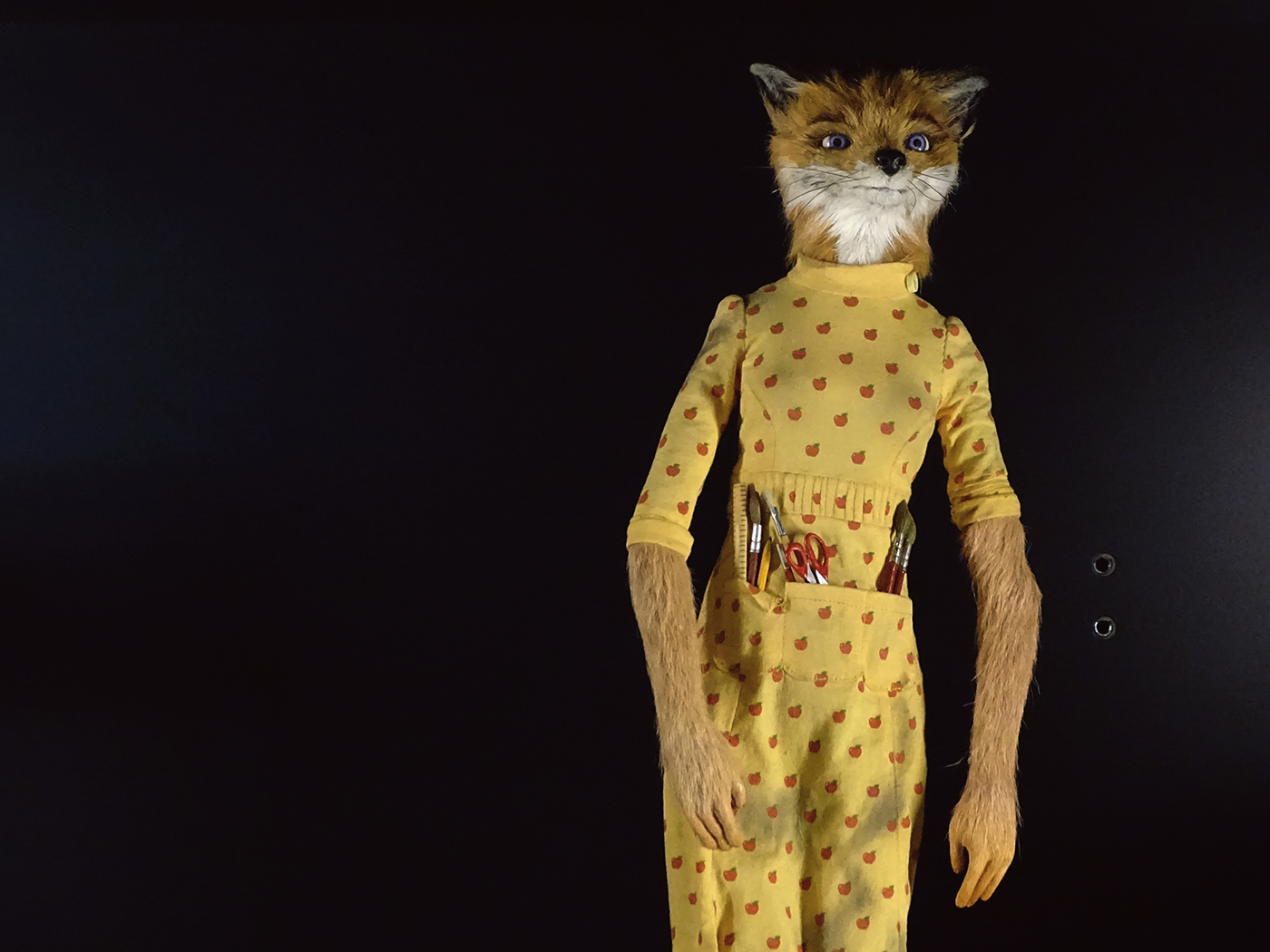
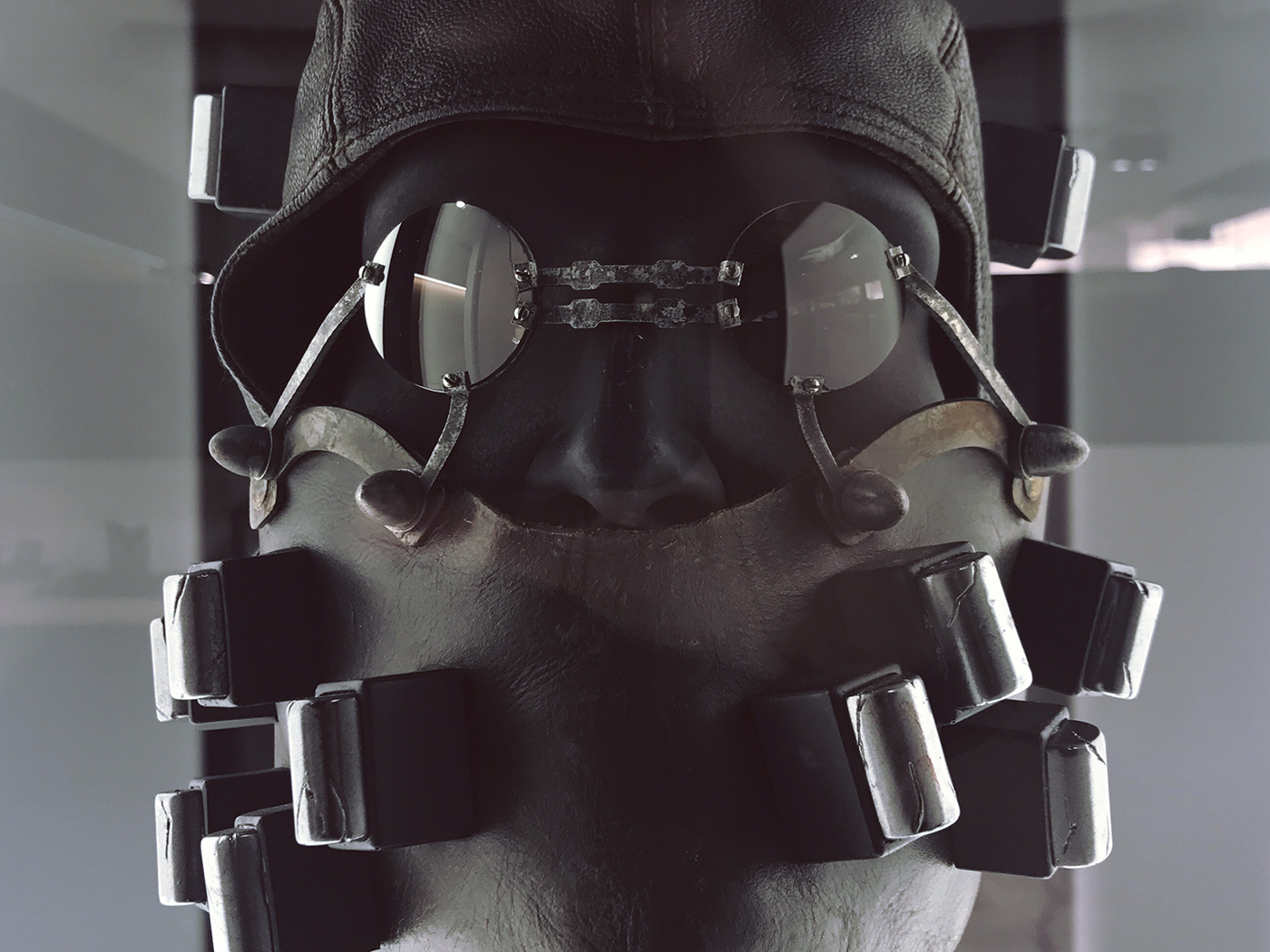
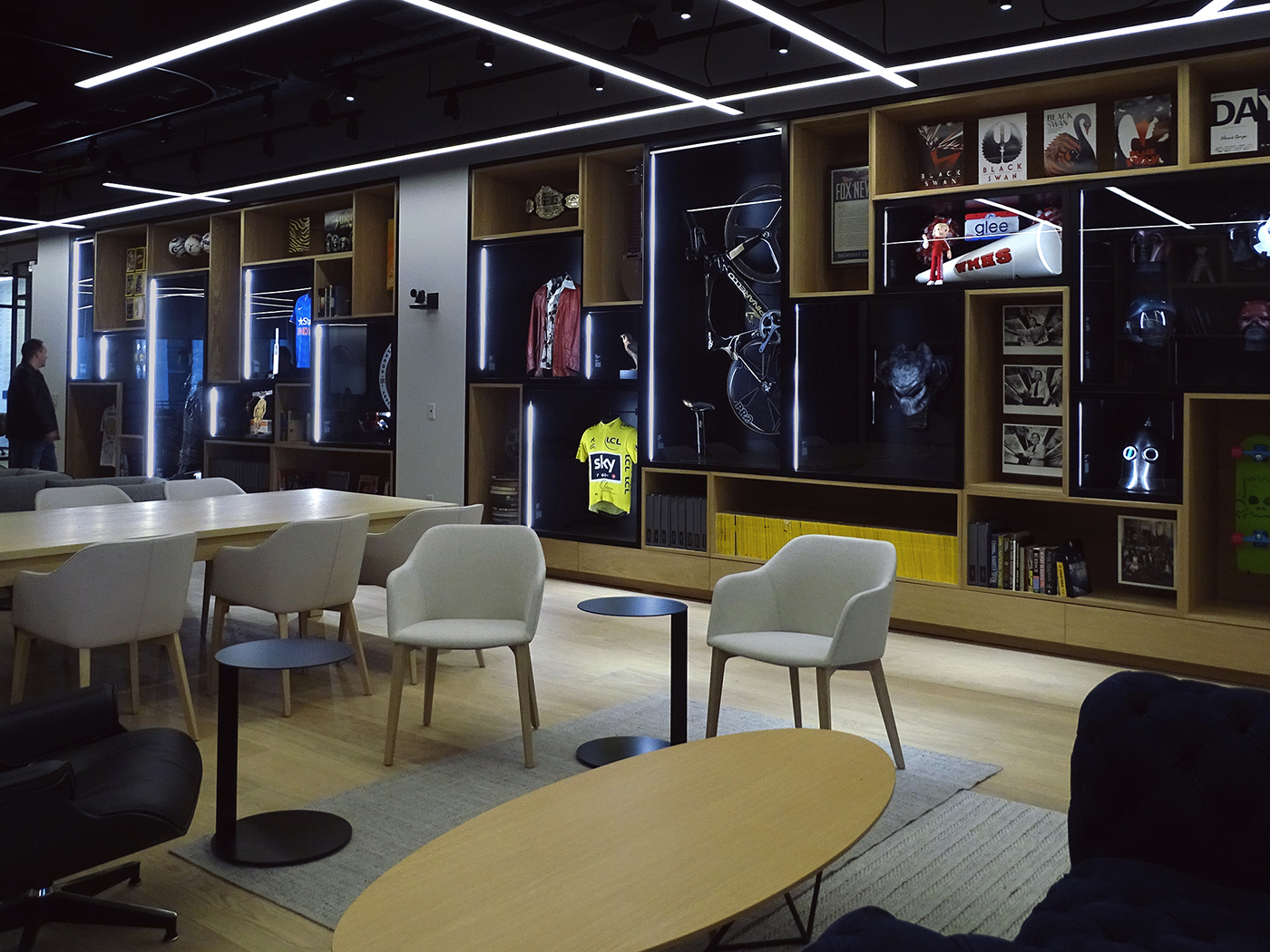
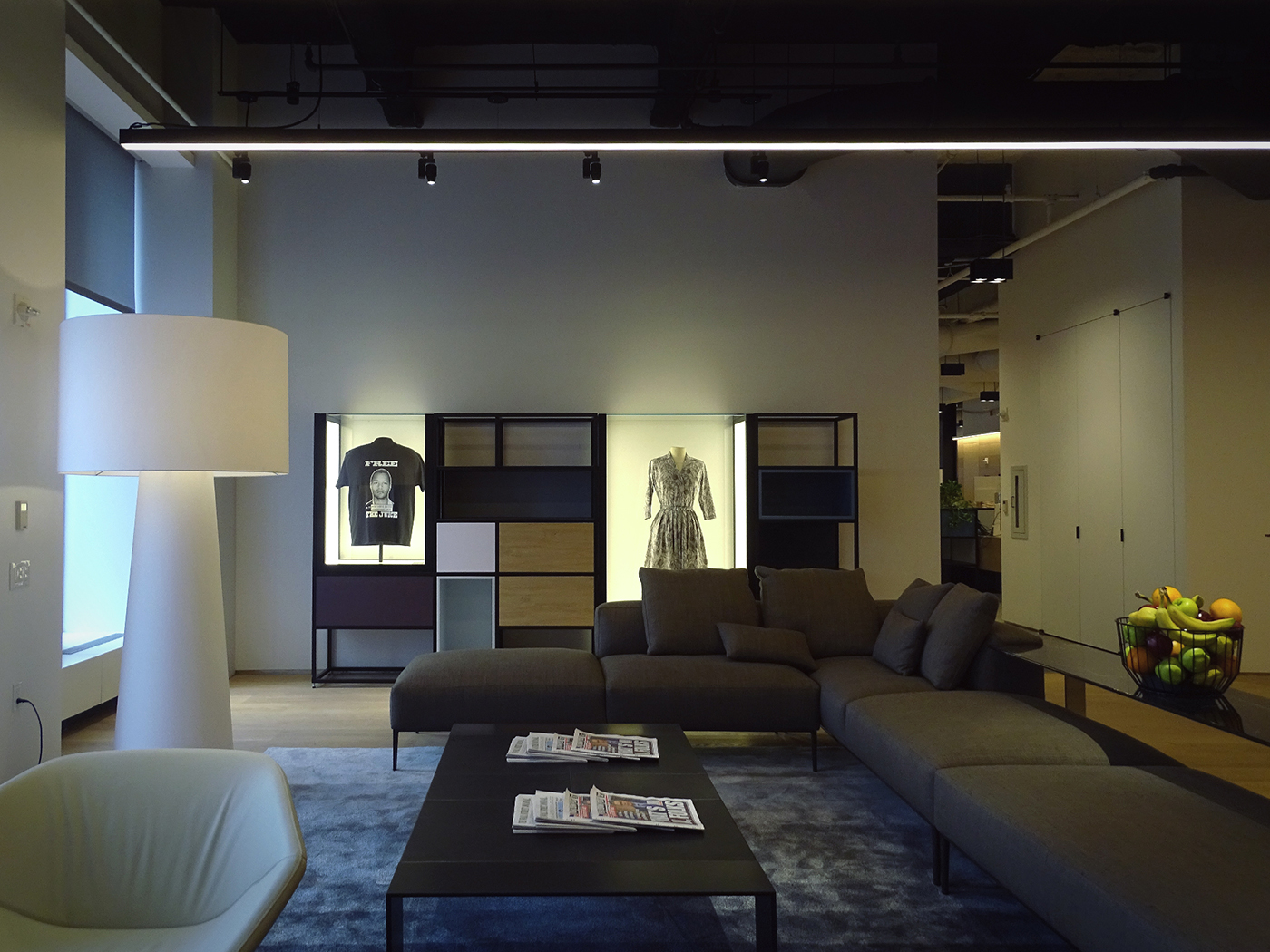
We proposed a permanent gallery installation in their new corporate space – the top 3 floors of the Newscorp skyscraper. I was tasked with designing and curating the installation, and given carte blanche to mine the archives of 20th Century Fox, FX, National Geographic, The Simpsons, and all of the brands under the umbrella. As a life-long movie and TV nerd, it seemed all roads had led me here.
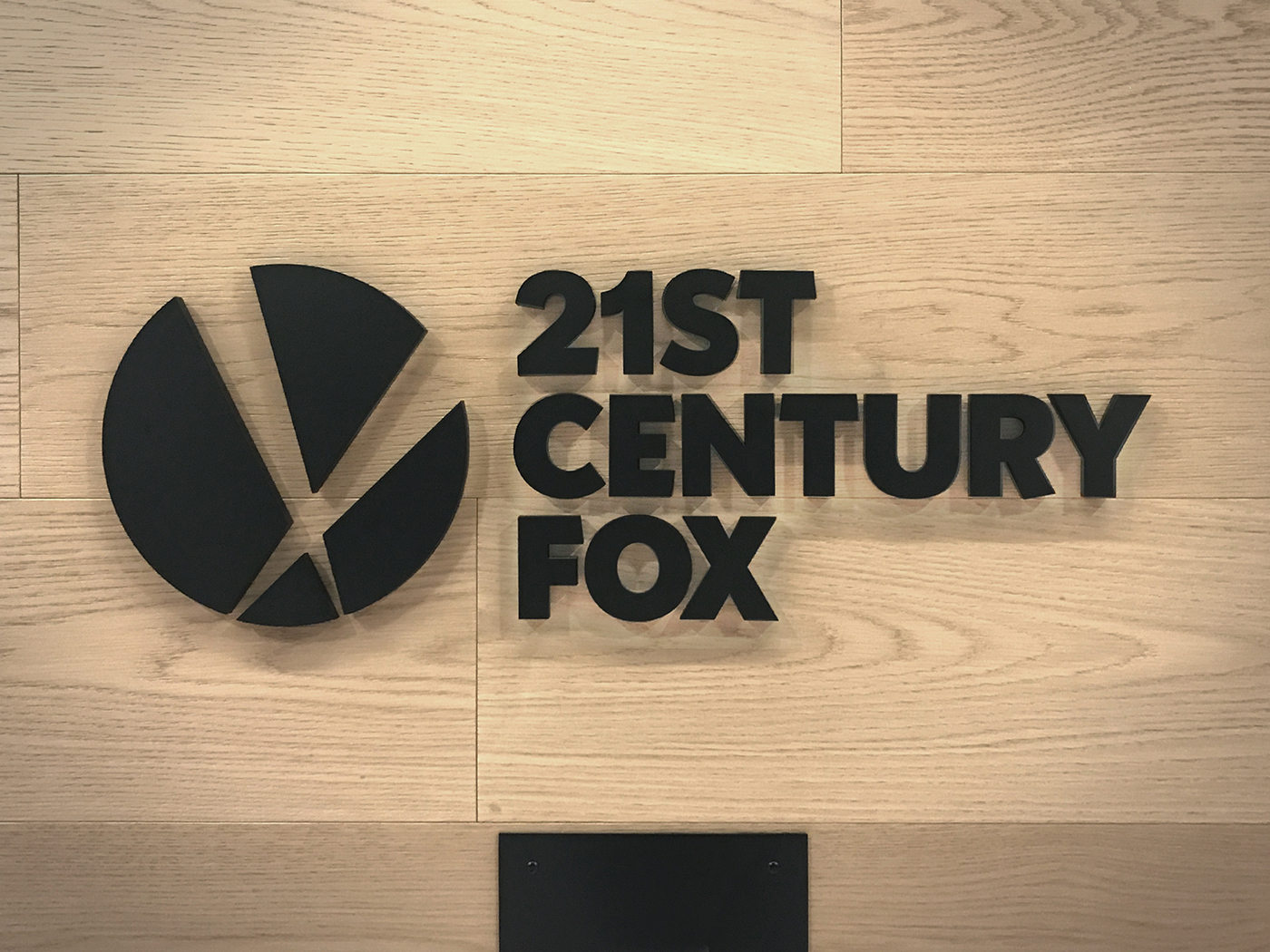


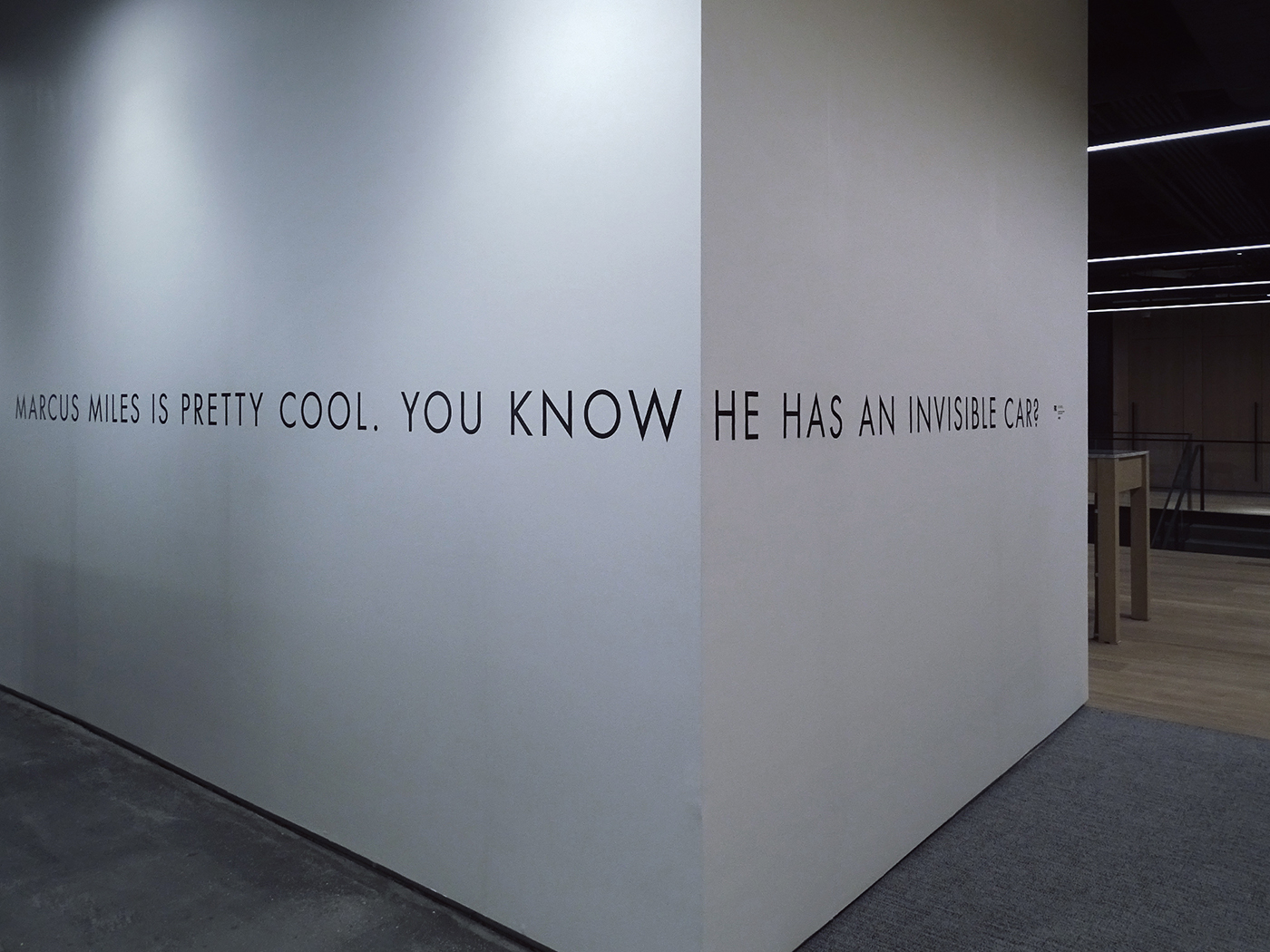
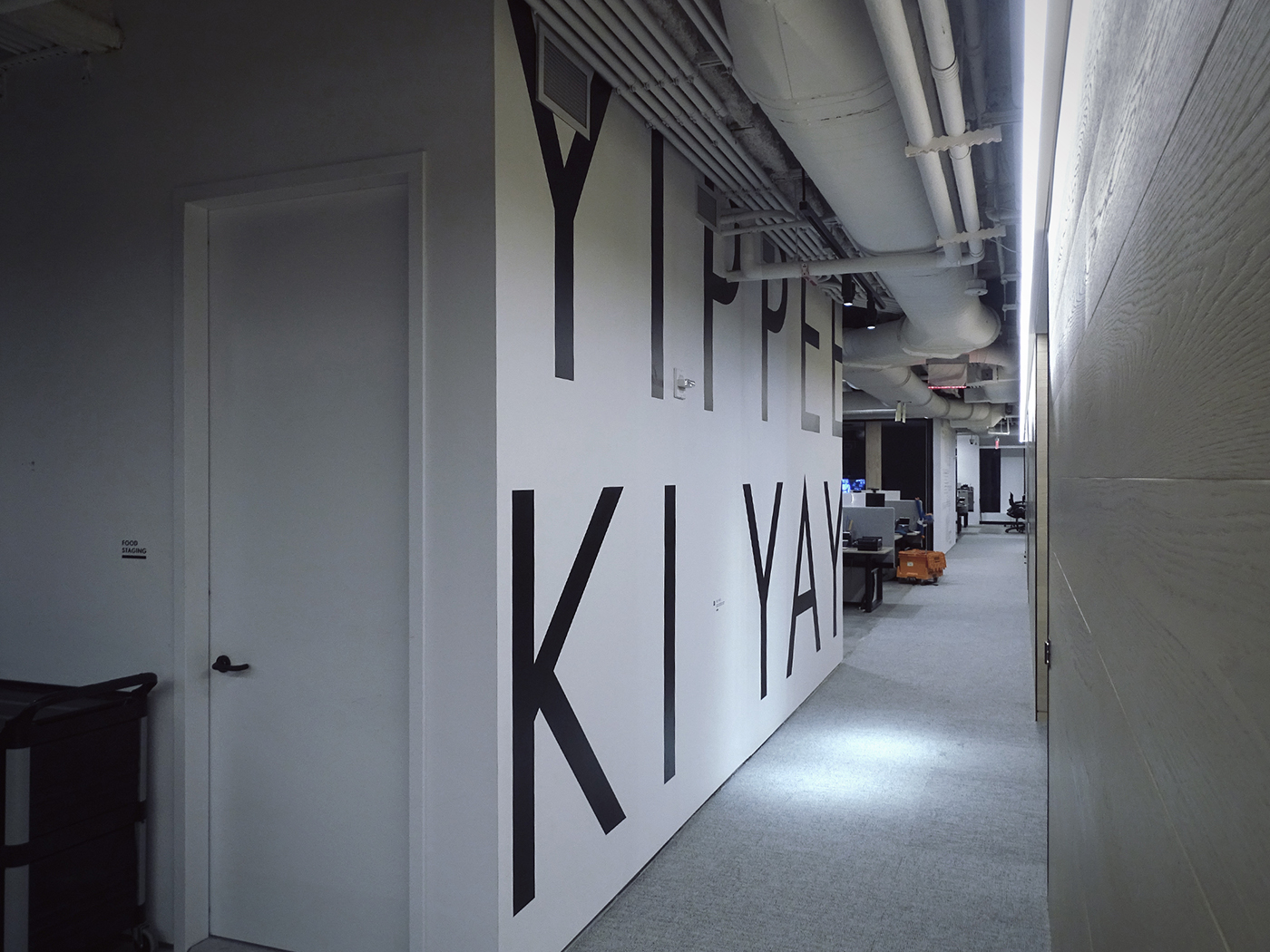
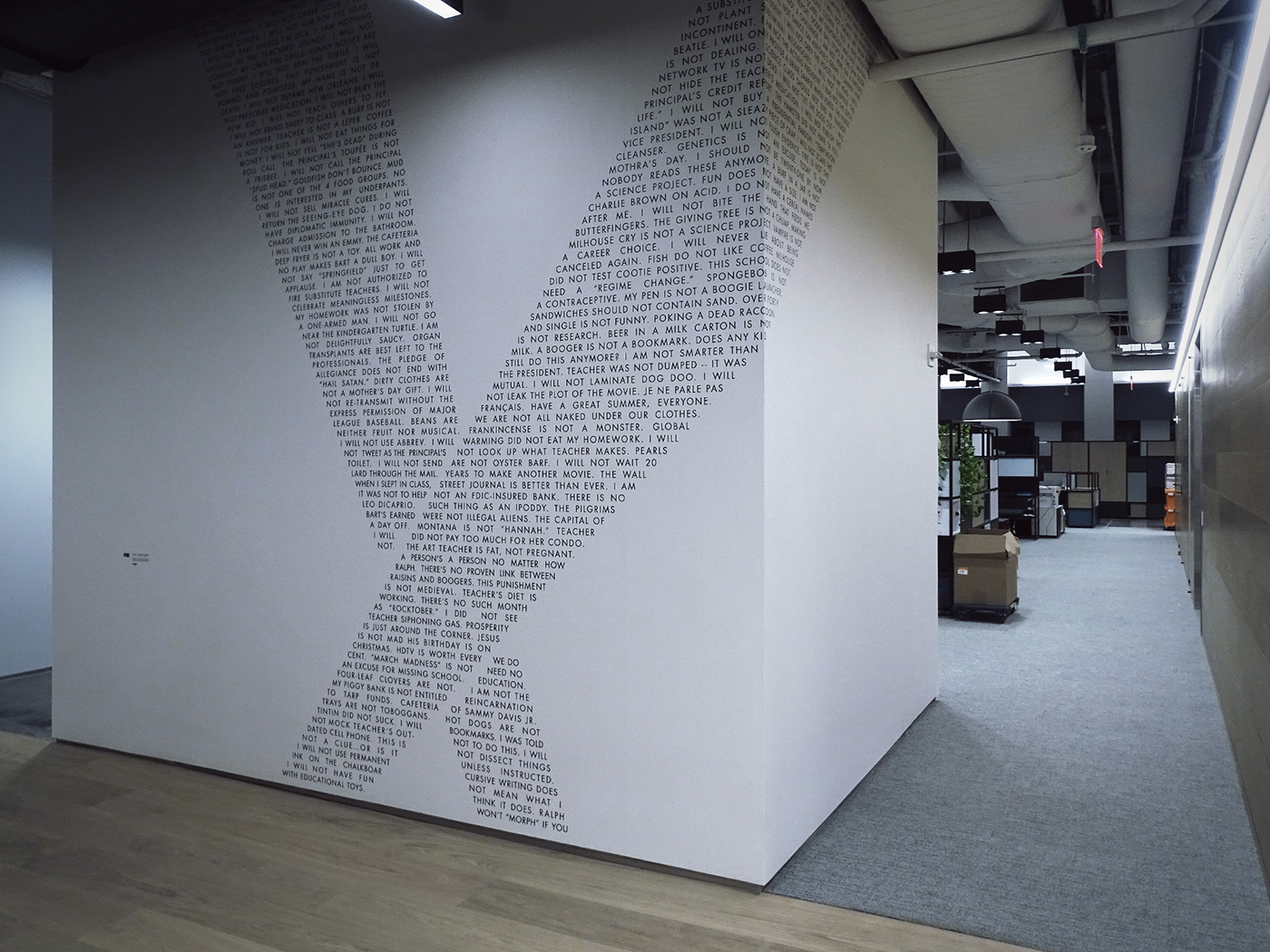
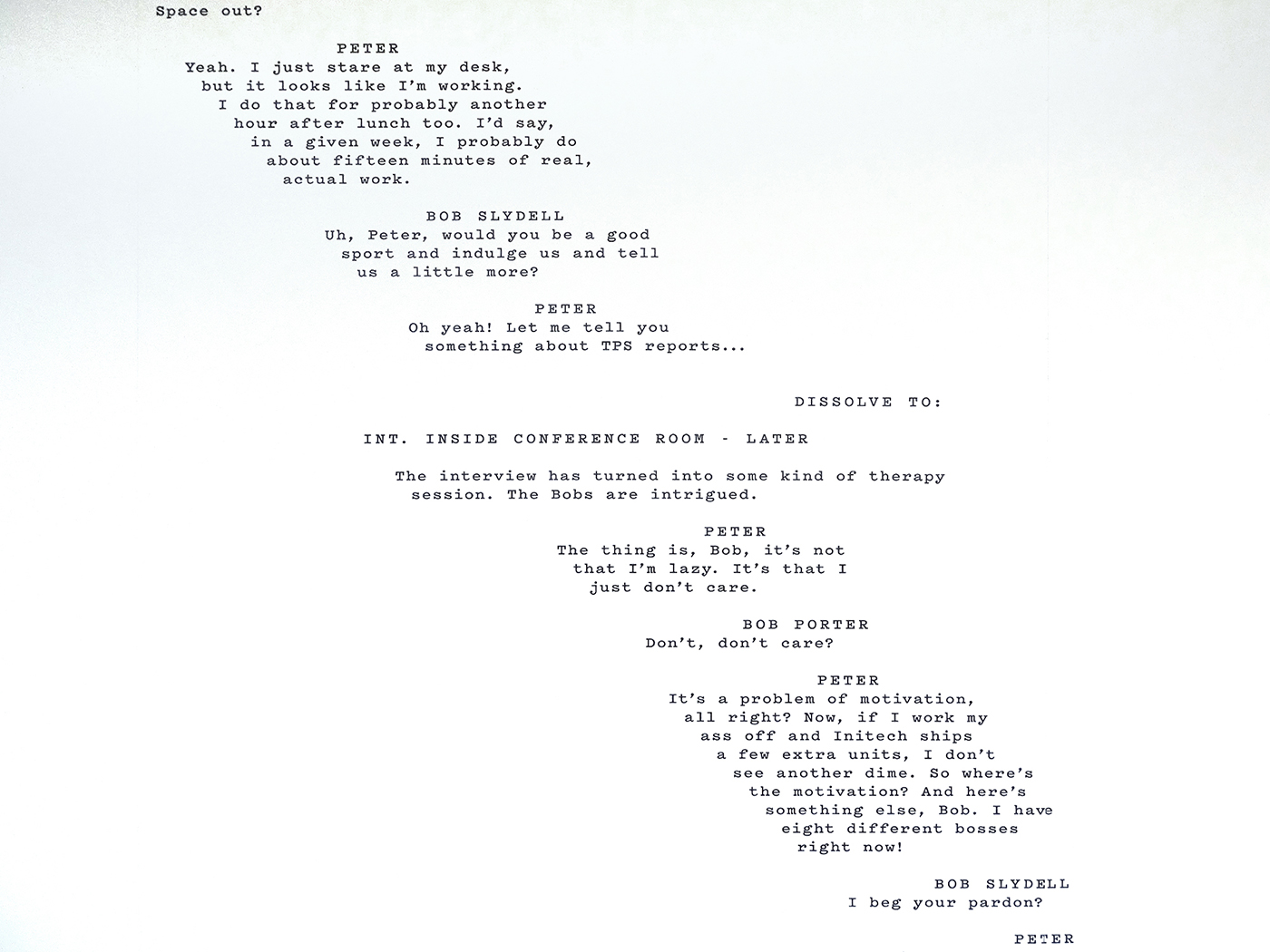
Inspired by the searchlight in the logo, we developed a type-driven graphic system for branding the walls of the space. I pulled script quotes and data from all eras of their content. Again, right up my alley.


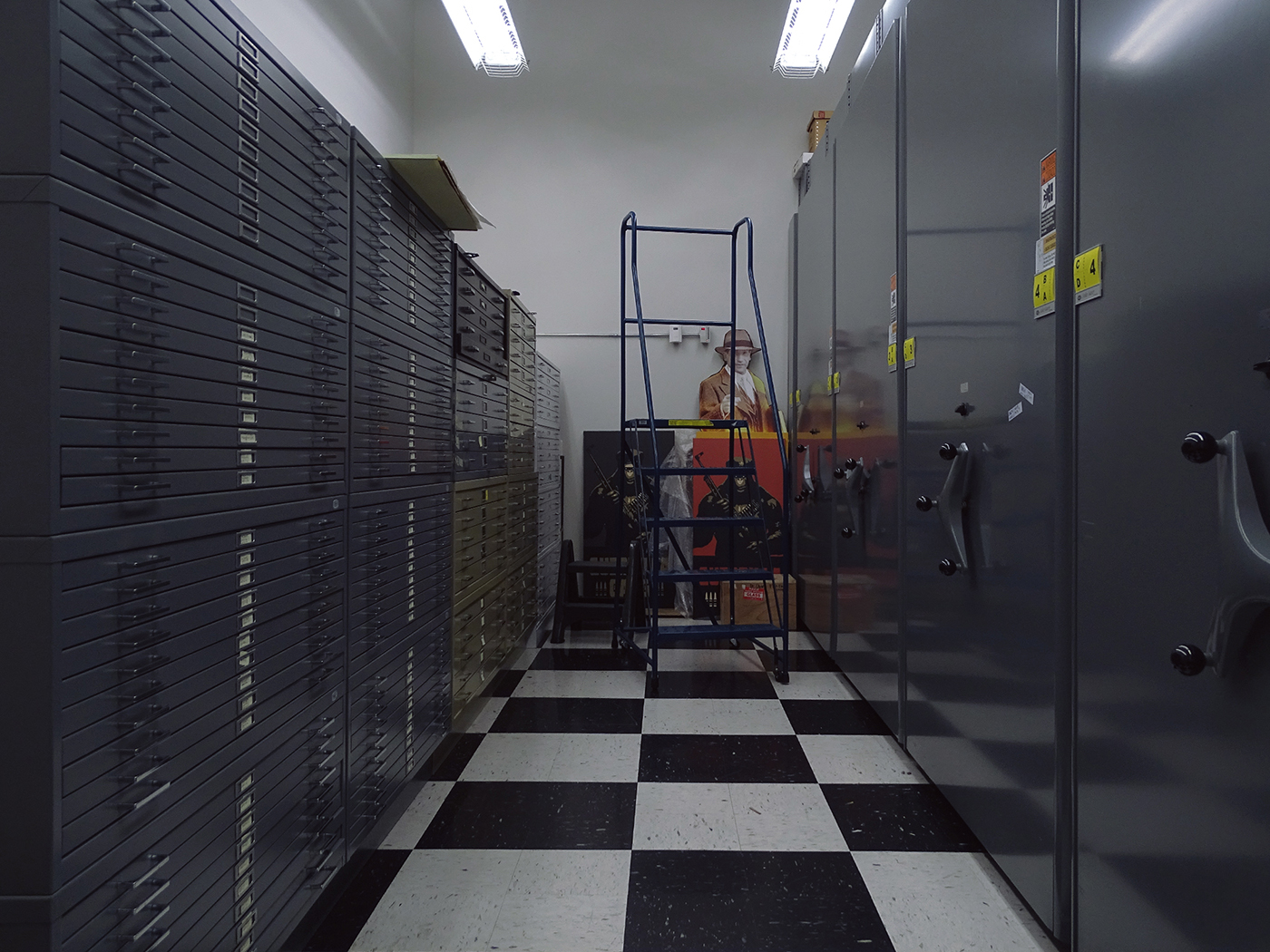
I spent the next 6 months in the archives, hand picking items and building decks to present up the ladder. When I was back in the office, I was researching film and TV screenplays for quotes and anecdotes to give the designers.
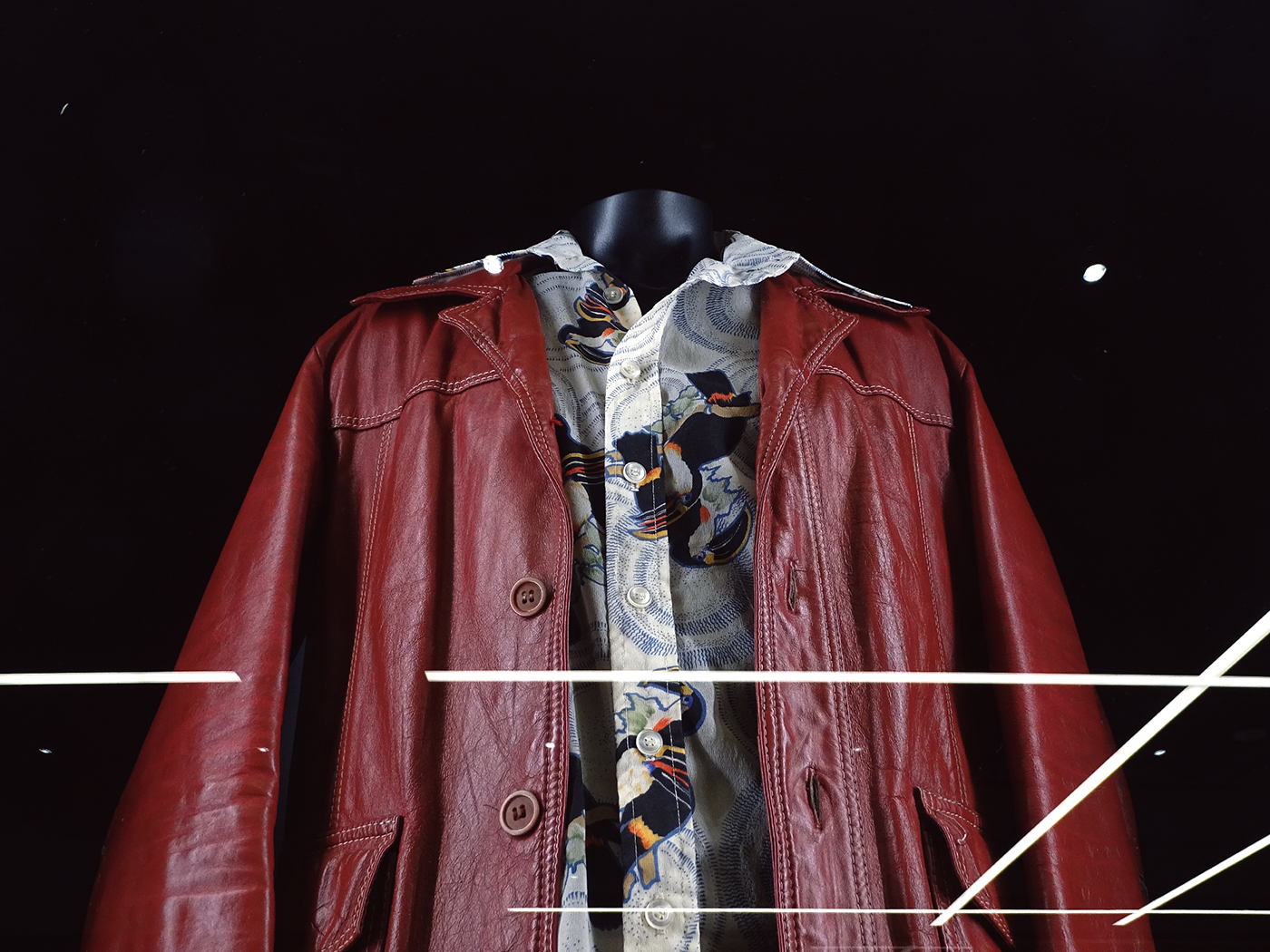



For Brad Pitt’s signature look in "Fight Club" (1999), costume designer Michael Kaplan was faced with the impossible challenge of needing 12 identical thrift store jackets. Some for Brad, and some for his stunt doubles. He found a large roll of 1970s car upholstery leather, dyed it blood red, then hand-made each jacket and simulated the wear and tear.


The "Edward Scissorhands" (1991) costume is an incredible piece of craftsmanship. The hands had to be put on their own plinth because the fabric is too fragile to hold their weight. Costume designer Colleen Atwood conceived Johnny Depp’s outfit as a combination of 19th Century Victorian styling and 20th Century machine parts – a mix of Charlie Chaplin’s Tramp and Mel Brook’s Frankenstein.


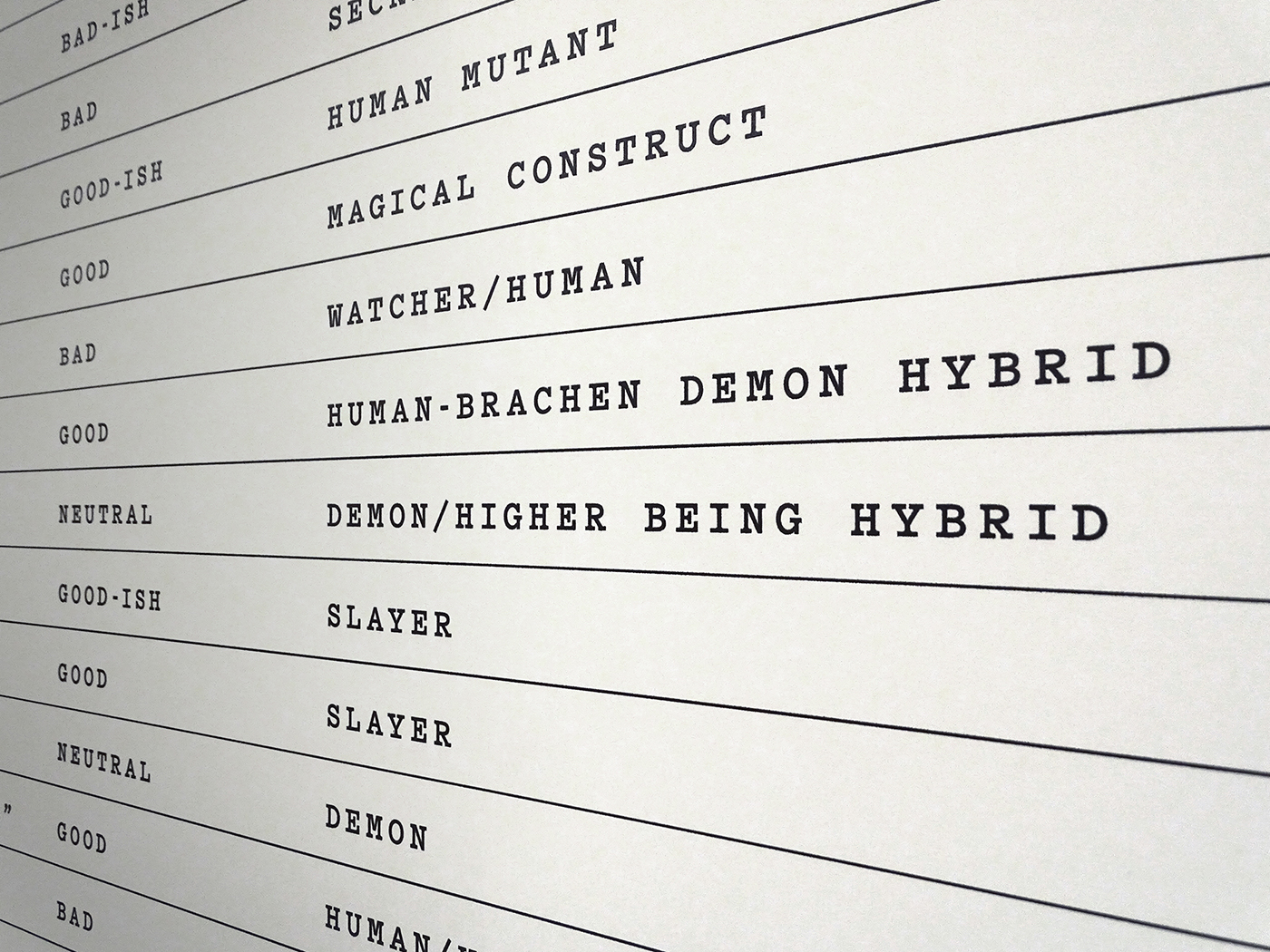
A breakdown of every supernatural being in Joss Whedon’s "Buffy The Vampire Slayer" (1997 – 2003).


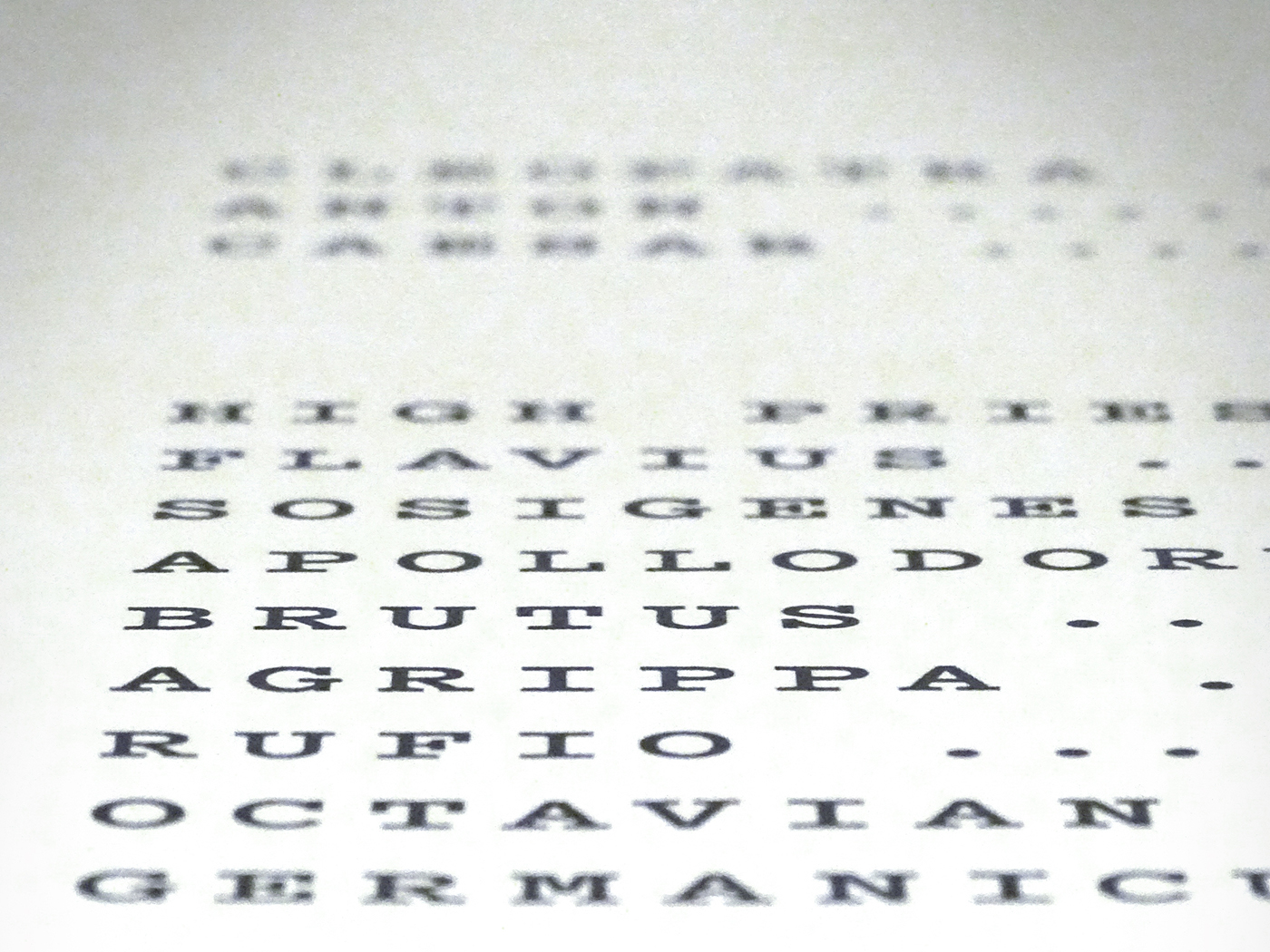
Credit roll from Joseph L. Mankiewicz’s "Cleopatra" (1963).


I filled some of the shelf space in the main gallery with the same kind of archival file boxes used on the 20th Century backlot. Photos, storyboards, scripts, concept art and technical drawings. I’ve always been a sucker for anything process-related.


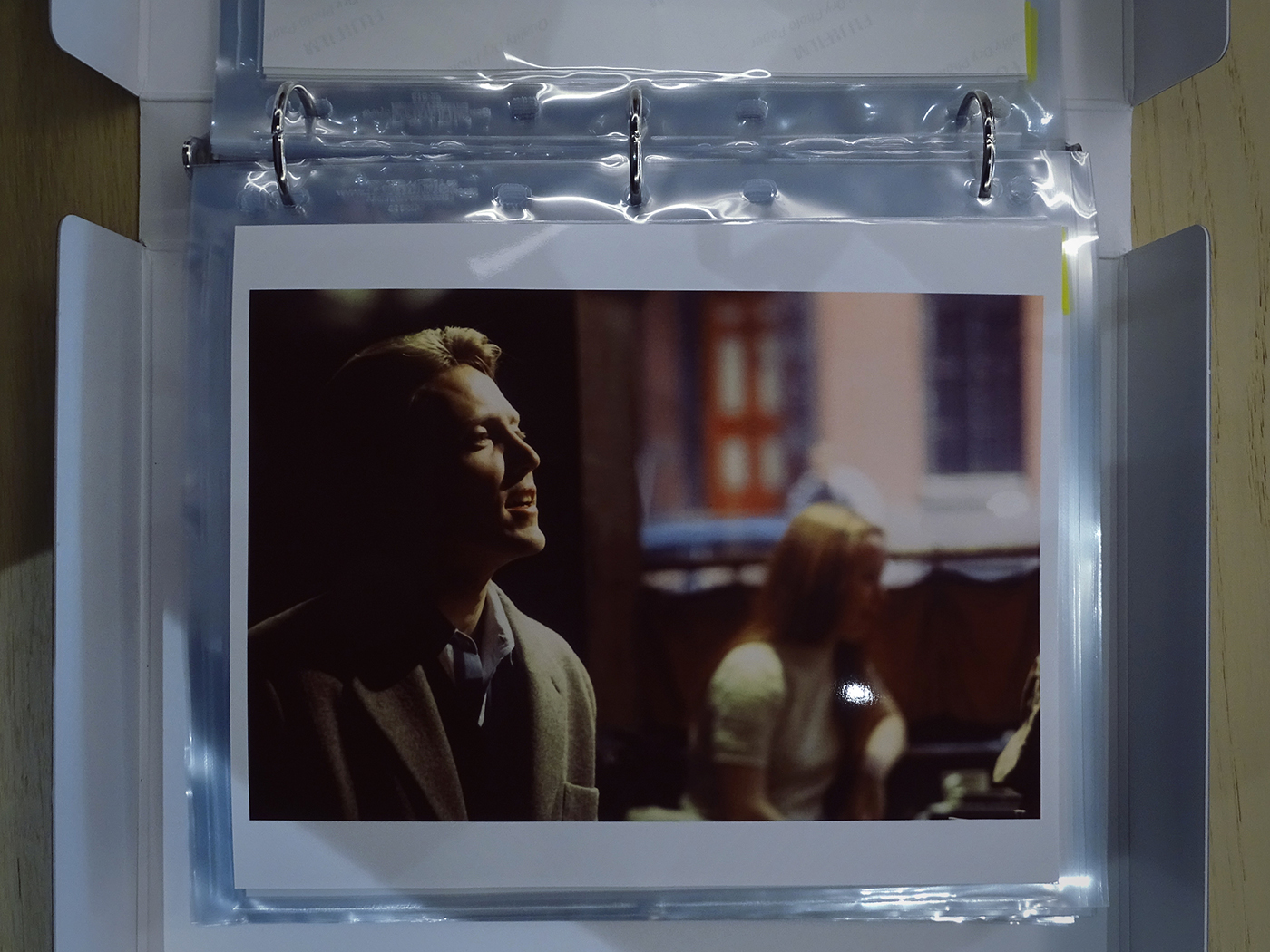
I must also confess being rather proud of myself for being the only person on the 20th Century backlot to ID this image from an early Christopher Walken movie, "Next Stop, Greenwich Village" (1976). Even the staff was stumped.


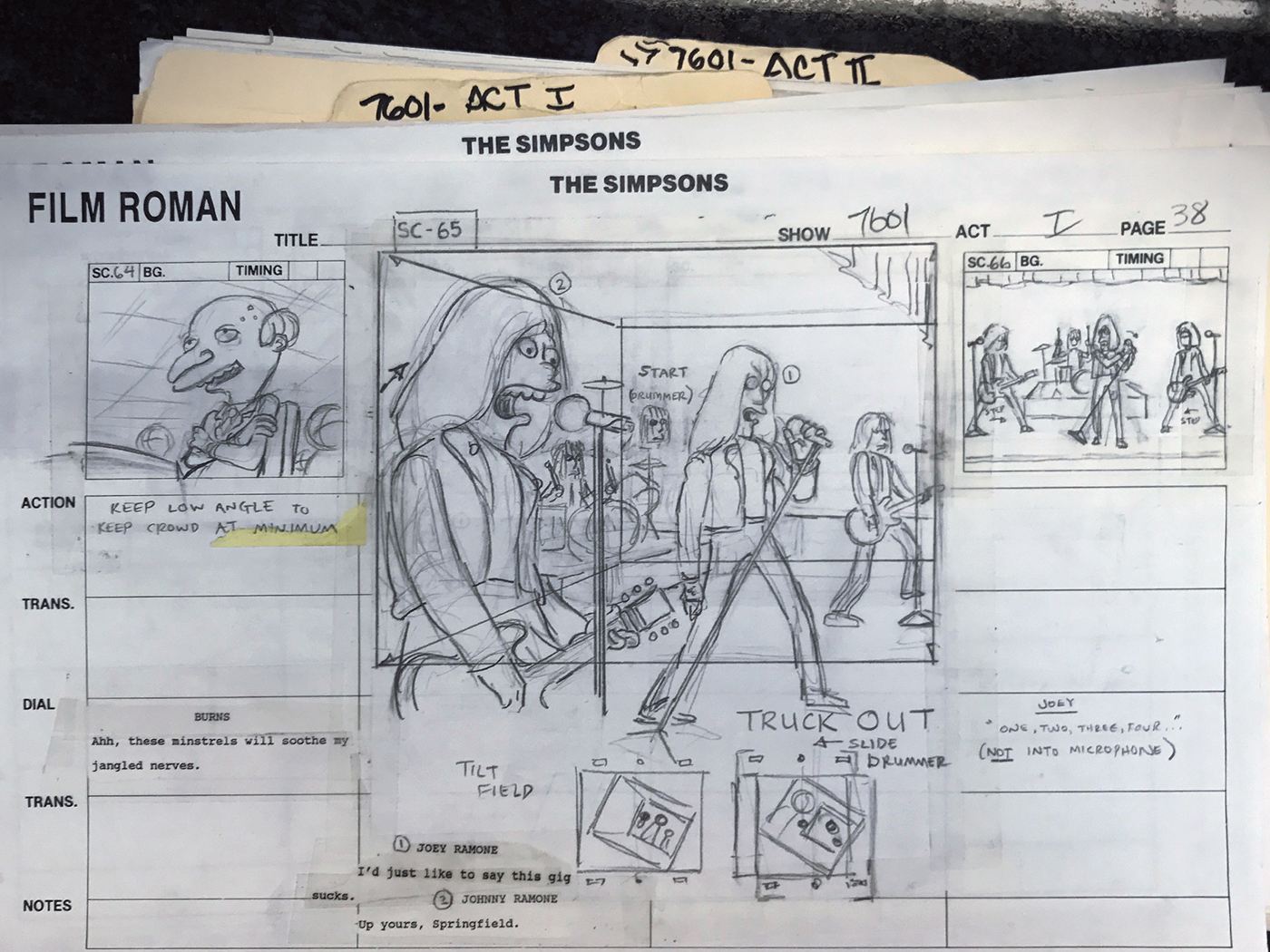
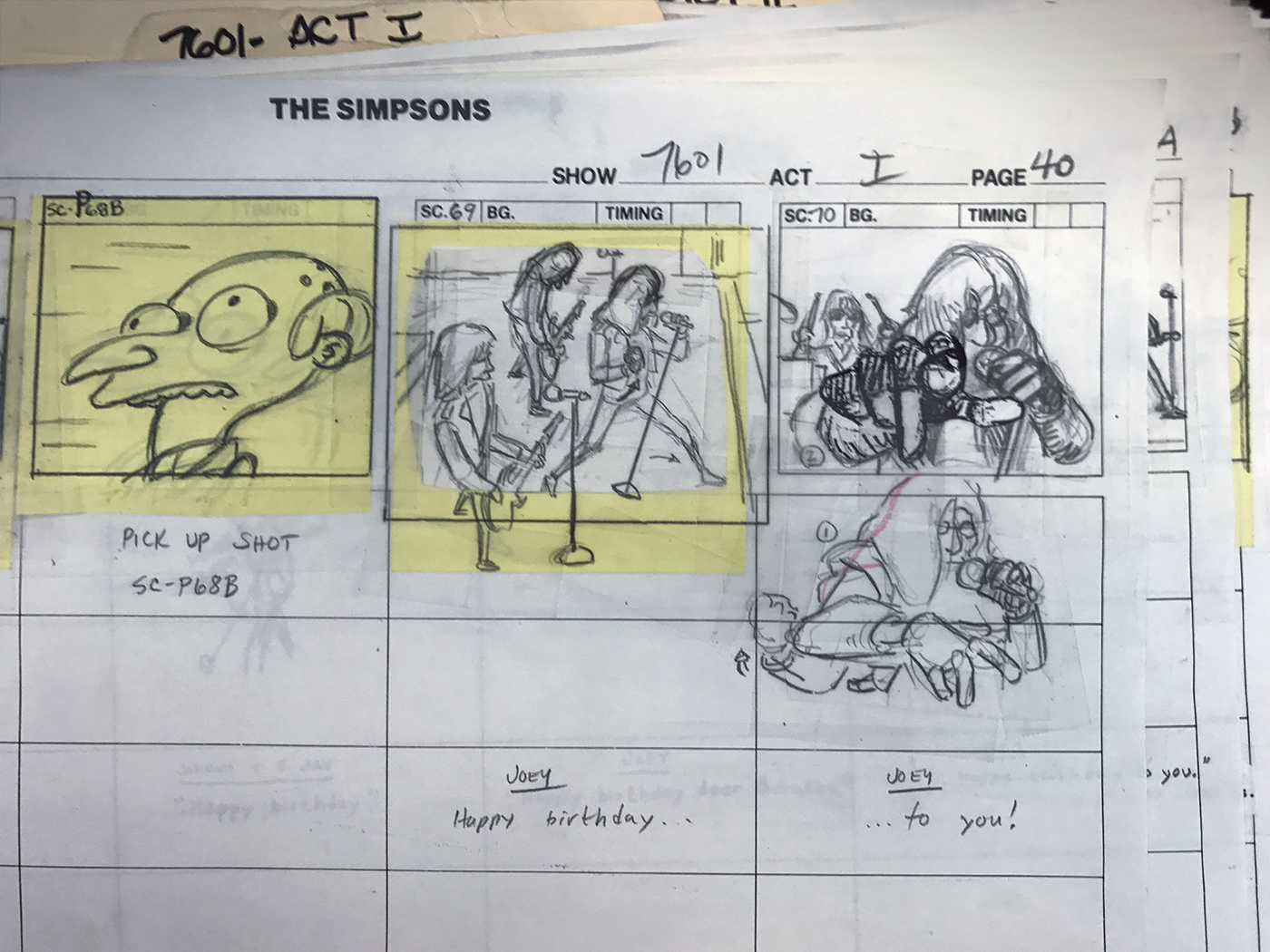
It’s hard to express how much of a thrill it was to visit The Simpsons archive in Burbank. Just to be in a room with a bunch of adults that got every reference I could muster was worth the flight. These are storyboards by The Simpsons director Wes Archer, from "Rosebud" (s05e04 – 1993). Written by John Swartzwelder, Rosebud is largely a parody of Orson Welle’s "Citizen Kane" (1941). Marky Ramone called their appearance “a career highlight”.


Conference room adorned with various "Itchy & Scratchy" titles.


A quote from my favorite scene in Donald Glover’s "Atlanta" (se01e08 – 2016).
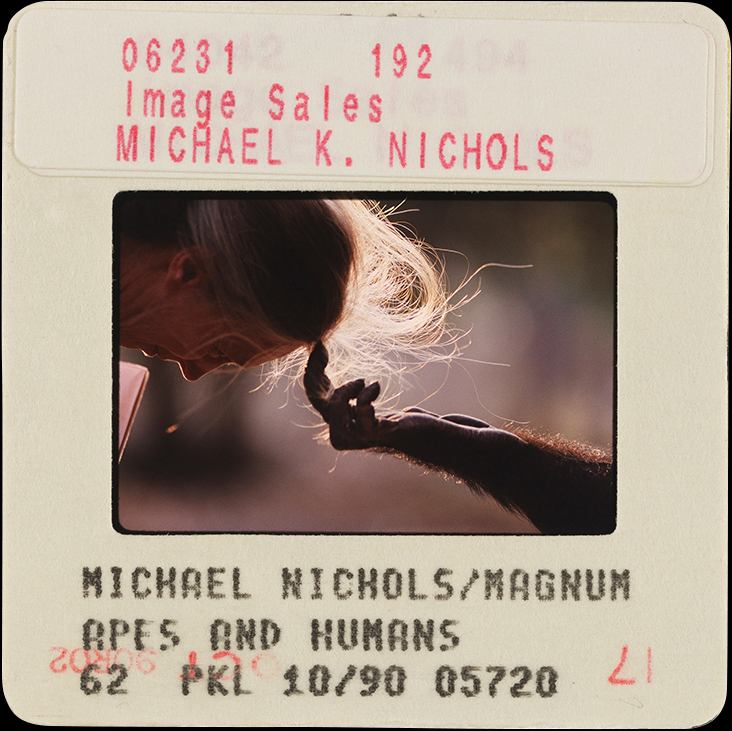


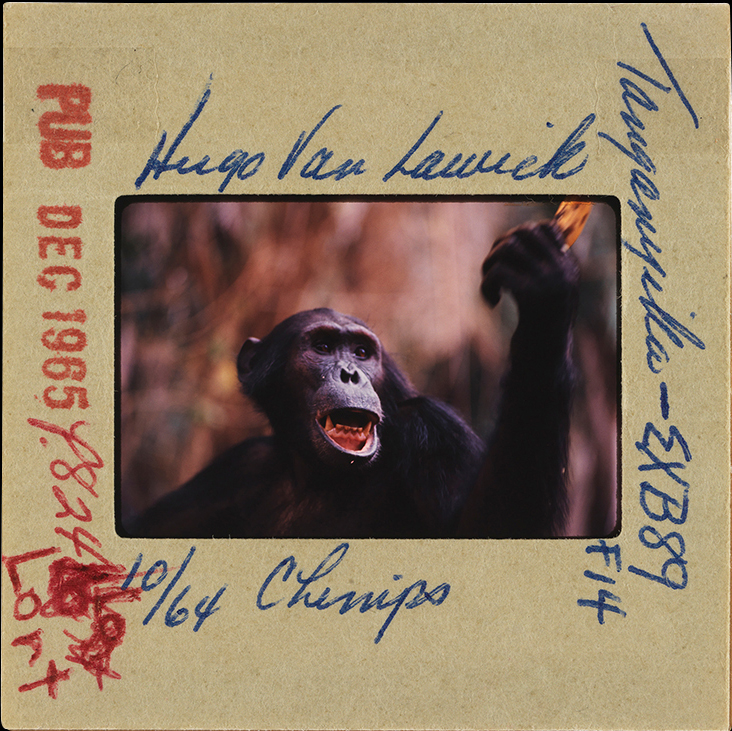
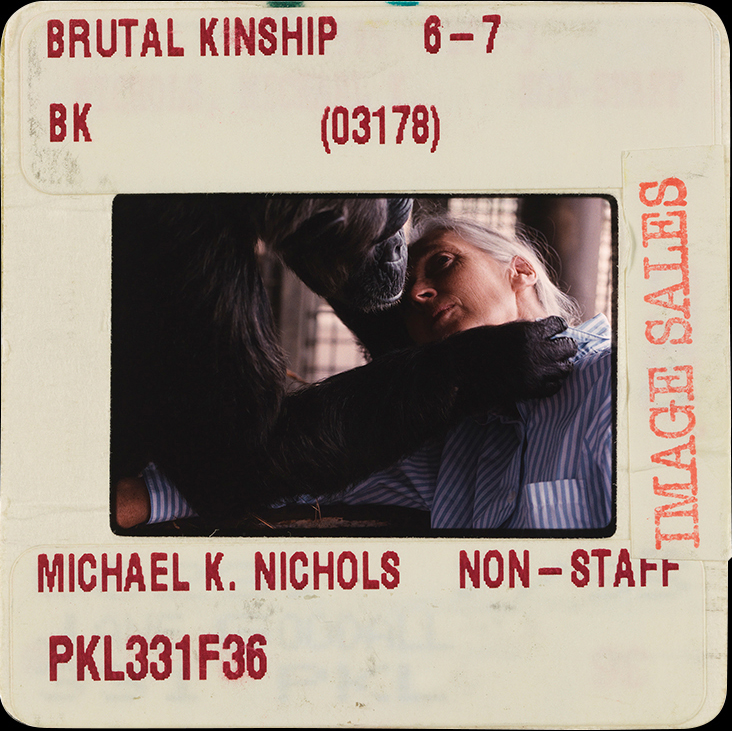
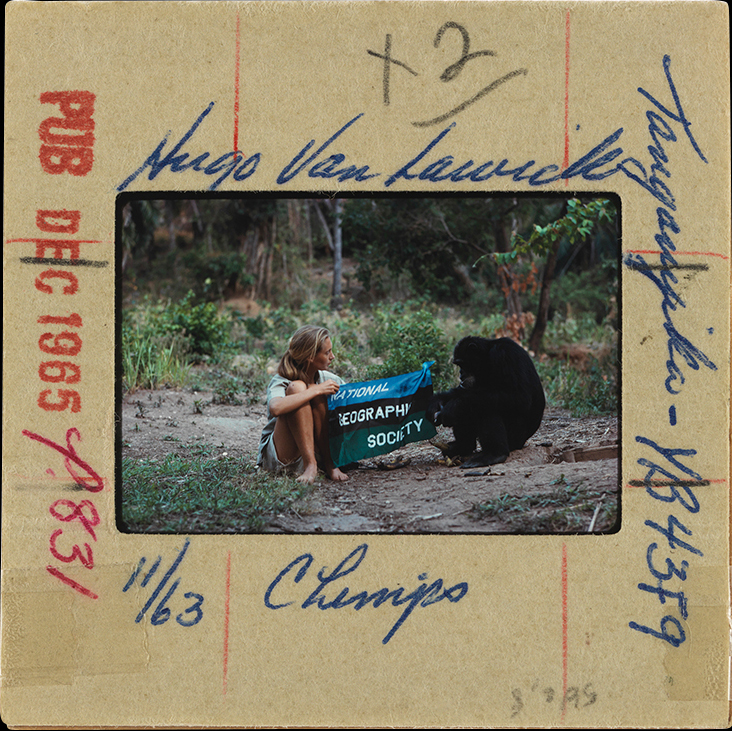
Some absolutely gorgeous slides of Jane Goodall and friends I found in the National Geographic Archive in DC.


For exterior shots in "Titanic" (1997), James Cameron built a near-full-size replica of the ill-fated ship. Due to budget constraints, only the starboard side was constructed. Scenes that took place on the portside of the boat were shot on the same starboard side, but using props with the White Star Line logos embroidered back-to-front, so that when the film negative was printed, it could be “flipped” in the edit room, creating the illusion of both sides of the ship. Any costumes with asymmetrical elements (embroidered typography, a broach, a pocket square, etc) had two versions, one regular, and one they called “the flop”.


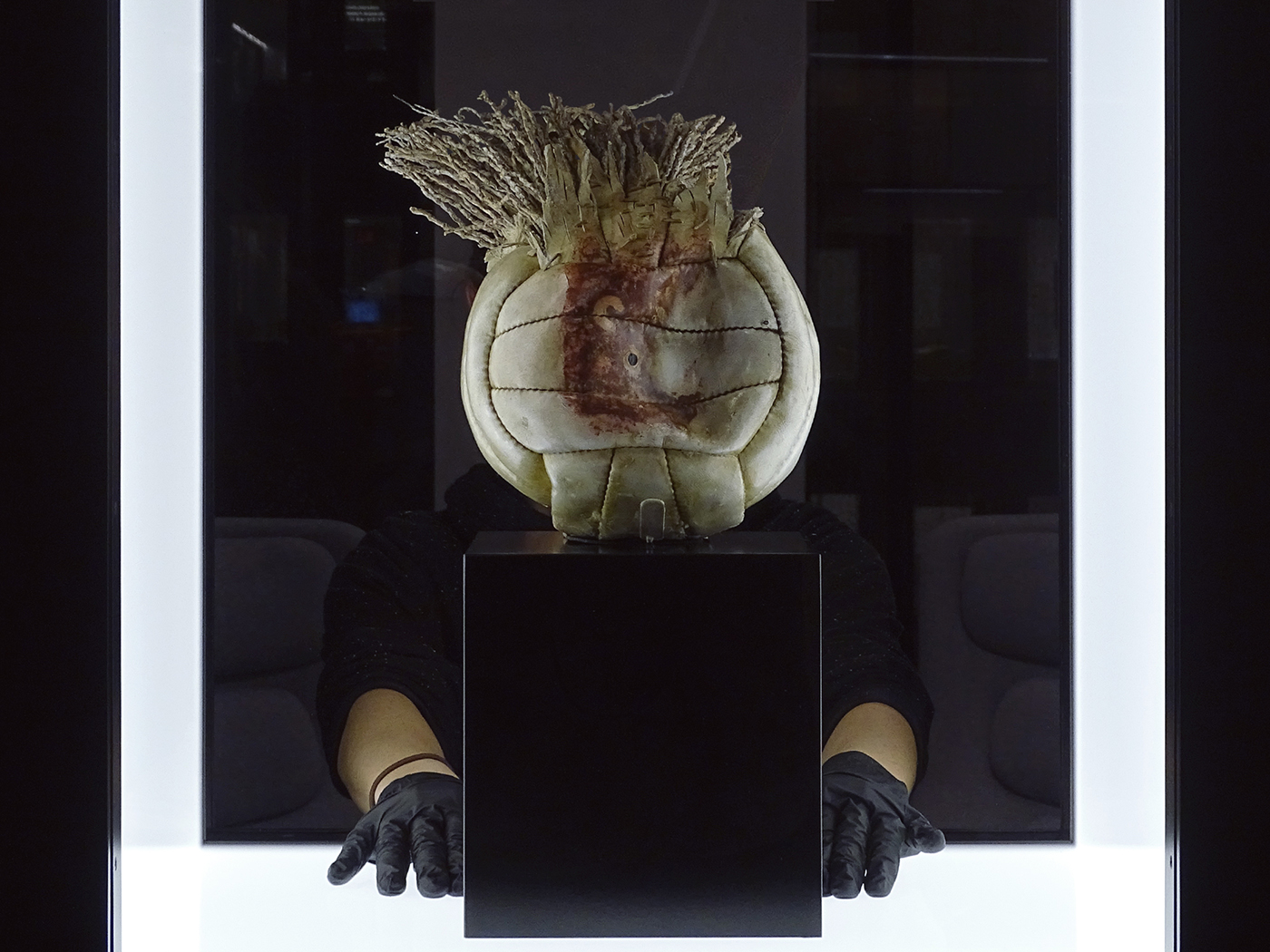
Wilson, the anthropomorphized volleyball from "Cast Away" (2000). Screenwriter William Broyles Jr. purposely stranded himself on a deserted island in the Gulf of California for one week. During that time, a volleyball washed ashore, sparking the idea for the character. Wilson won a Critic’s Choice Award that year for “Best Inanimate Object.” Our prop master from 20th century Fox, Tamirin Panama, treasures this piece so much that she flew out to NY in business class with Wilson on her lap.


I worked closely with Gretel owner and chief creative Greg Hahn, ECD Ryan Moore, art director Caleb Halter, and a smattering of staffers, hired guns and big brains that I am proud to call friends, including Stephanie Baptist, Kyle Baron-Cohen, Eric Scott, James Wu, and Eva Green. Gretel staff producer Kerry Griner kept it all under control. Architect Corey Yurkovich collaborated with us on gallery design and liaison between the various vendors involved in a construction project of this scale. Object Mounts, gallery installation experts that my sister often works with in her role as a curator at The Morgan Library, built custom mounts for almost everything. Our main contacts on the client side were VP of Comms Nathaniel Brown and Creative Director Silvia Morganti. Global architecture firm Gensler spearheaded the interior design & build. Gensler commissioned Swiss furniture legends Vitra to create custom shelving to integrate into our gallery. Dream job. 10/10. Do recommend.


NEXT PROJECT >